
How To Feel Free
What 870+ people told me they wanted most

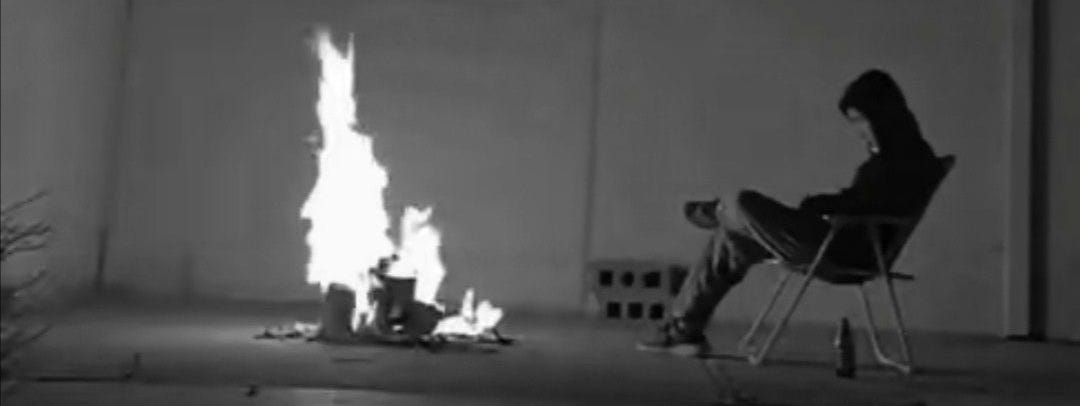
i’ve been sitting on this post for months now.
kept starting it. deleting it. starting again. because freedom is one of those words that nobody can define clearly because it’s subjective down to it’s very core.
when i sent my initial welcome email to subscribers, i asked one question: “how do you want to feel six months from now?”
hundreds of replies came back. and the most common answer, by far, wasn’t “successful” or “wealthy” or “happy.”
it was “free.”
people want freedom more than anything else. but they can’t articulate what it means. or how to get it. or why they don’t feel it now.
and i get it. because i couldn’t articulate it either for the longest time. knew i wanted it. felt the suffocation of not having it. but couldn’t put words to what freedom actually is.
so i’ve been thinking about this. dissecting it. trying to understand what freedom actually is at a psychological and neurological level.
reading everything i could find. talking to people who seem genuinely free. examining my own moments of freedom and captivity.
and here’s what i’ve realized.
freedom isn’t a destination. it’s not something you achieve once you hit a certain income or lifestyle.
freedom is a state. a neurological state i should say.
and most people will never feel it because they’re living in invisible cages they don’t even recognize.
cages built from habits, beliefs, fears, obligations that were never actually theirs to begin with.
this post is my attempt to map it out. to explain what freedom actually requires. not in platitudes or motivational bullshit. in actual psychological and neurological mechanisms.
and i want to give a fair warning. this isn’t comfortable. because real freedom isn’t comfortable. and most people aren’t actually ready for it.
it’s 4:52am as i write these exact words. i couldn’t sleep again. gave up around 3 and made coffee.
sitting here in complete darkness except for my laptop screen. long whale song by sympho cat playing low. that ambient music that feels like how 4am sounds.
i’ve felt both sides of freedom. the suffocating lack of it. and the terrifying abundance of it.
and the truth is uncomfortable because most people say they want freedom but they’re actually terrified of it.
because real freedom means responsibility. it means risk. it means no one to blame when shit goes wrong.
it’s way easier to stay in a cage and complain about the bars.
but for the people who actually want out and are willing to do what it takes, here’s what freedom actually requires.
paid subscribers lets’s get into this.
THE NEUROLOGY OF CAPTIVITY
"Freedom is the oxygen of the soul." - Moshe Dayan
your brain is a pattern matching machine.
it takes past experiences and uses them to predict future outcomes.
so every time you encounter a constraint or limitation your brain logs it. creates a model of what’s possible and what isn’t.
this happens mostly subconsciously. you don’t decide “i can’t do that.” your brain just... stops generating that option.
it’s called perceptual narrowing. your brain literally stops perceiving possibilities that fall outside your established patterns.
you will walk past the same coffee shop every day without considering going in.
it’s not because you consciously decided not to. because your brain has already categorized it as “not for you.”
you see job postings you’re qualified for but don’t apply. not because you consciously think you can’t get it. because your brain has already filtered it out as “not realistic for someone like me.”
this is how captivity becomes invisible. your brain stops showing you the exits because it’s learned they’re not accessible.